English
 French
 German
 Italian

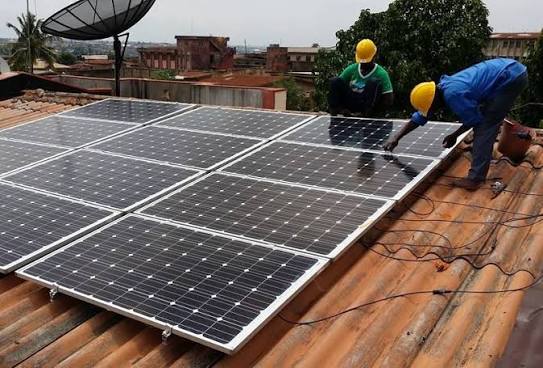

A lot of homes and businesses install solar systems in Nigeria with high hopes. But yet it fails most times. Which leads to the question: why solar systems fail in Nigeria. People believe once solar is installed, power problems are over forever. Some people even sell their generators immediately after installation. Then after some months or a few years, problems start. The system stops working well. Batteries no longer last. Inverters begin to trip. Panels stop giving enough power.
We have seen this happen many times. We have talked to people who spent a lot of money on solar and still went back to using generators. This is why many Nigerians now say solar is a scam. But the truth is simple. Solar systems do not fail by themselves.
Most solar failures in Nigeria happen because of human mistakes, wrong choices, and lack of understanding.
Solar works very well in Nigeria. We have enough sunlight. The problem is how systems are designed, installed, and used. In this post, we will explain why solar systems fail in Nigeria based on experiences, mistakes people make, and lessons learned over time.
If you are planning to install solar or you already have one, this article will help you understand what to avoid so your system can last.
Wrong Solar System Setup
Let me say this clearly. Solar itself is not the problem. The sun has never failed Nigeria. What fails is the setup.
Many people rush into solar without proper planning. They see their neighbor install solar and rush to do the same thing without understanding their own power needs. Some installers also just want to sell equipment and collect money fast. They do not care if the system will last.
When solar systems fail, it is usually because the system was not designed properly from the beginning.
Wrong Sizing Of The Solar System
This is one of the biggest reasons solar systems fail in Nigeria.
Sizing simply means choosing the right size of panels, batteries, and inverter based on your power needs. Many Nigerians want to run everything on solar but buy small systems.
Someone wants to power TV, fridge, freezer, pumping machine, iron, and air conditioner, but installs a small inverter and few batteries. This system will struggle from day one.
When a system is too small for the load, it will overwork itself. Batteries will drain too fast. The inverter will overheat. Panels will not be enough to recharge the batteries properly.
Over time, everything starts failing. This is like carrying ten bags of cement on a small motorcycle. It may move at first, but it will soon break down.
Read Also: How Solar Power Works (Explained Simply)
Cheap And Fake Solar Equipment
Another major reason solar systems fail in Nigeria is fake and low quality equipment. The Nigerian market is full of fake solar panels, fake batteries, and fake inverters. Some look very original on the outside but are weak inside.
Many people choose cheap equipment because they want to save money. Some sellers also deceive buyers by lying about capacity and quality.
A battery that claims to be 200Ah may not even be up to 120Ah in reality. A panel that claims 550 watts may barely give 350 watts.
When you use fake equipment, failure is only a matter of time. Cheap batteries die quickly. Fake panels lose power fast. Low quality inverters break down easily. Solar equipment is not something you buy because it is cheap. You buy because it is strong and reliable.
Poor Installation By Untrained Installers
Installation is very important in solar systems. In Nigeria, many people doing solar installation are not trained properly. Some just learned from YouTube or followed someone for a few weeks.
They do not understand wiring properly. They do not understand load calculation. They do not understand battery protection.
Wrong wiring can damage batteries. Wrong connection can overload inverters. Wrong placement of panels can reduce power output.
We have seen systems where panels were installed under shade. We have seen batteries kept in hot places without ventilation. We have seen wires too small for the load being used.
All these mistakes lead to failure.
Solar installation is not trial and error. It requires proper knowledge and experience.
Overloading The Solar System
Overloading is very common in Nigeria.
People install solar for light and TV. Later they add fridge. Then freezer. Then pumping machine. Then iron. Then air conditioner.
They keep adding load without upgrading the system. Solar systems are designed for specific loads. Once you exceed that limit, the system starts suffering.
Overloading causes batteries to drain deeply every day. This shortens battery life. It causes inverter overheating. It stresses the entire system.
Many people do not realize that solar systems need discipline. You cannot use solar the same careless way you use NEPA.
Poor Battery Management
Batteries are the heart of a solar system. Most solar failures in Nigeria involve batteries. People misuse batteries in many ways.
Some allow batteries to drain completely every day. Some do not charge batteries fully. Some use wrong battery types for solar.
Lead acid batteries especially need proper care. They do not like deep discharge. They do not like heat. They do not like being overcharged.
When batteries are abused, they lose capacity quickly. After one or two years, the batteries can no longer hold power. People then say solar has failed. But the truth is the batteries were killed by poor usage.
Using Solar Like NEPA
This is a mindset problem. Many Nigerians use solar as if it is NEPA. They leave appliances on all day. They forget to switch things off. They use heavy appliances carelessly.
Solar power is limited. Even big systems have limits. If you treat solar like unlimited power, it will disappoint you. Solar works best when you are conscious of your usage. This does not mean living in darkness. It means using power wisely.
Read Also: Complete Solar Power System Price in Nigeria (2026 Breakdown)
Poor Panel Placement And Orientation
Solar panels must face the right direction and angle.
In Nigeria, panels should be placed where they receive maximum sunlight from morning to evening.
Some panels are installed flat on roofs. Some are installed facing wrong directions. Some are placed where shadows cover them during the day.
Shadows reduce power output seriously.
If panels do not receive enough sunlight, batteries will not charge fully. When batteries are not fully charged daily, they wear out faster. Poor panel placement slowly kills the system.
Lack Of Maintenance
Many people think solar systems do not need any maintenance at all. While solar needs less maintenance than generators, it still needs basic care. Panels get dusty. Dust reduces sunlight absorption.
Wires can loosen. Terminals can corrode. Batteries need checking. Ignoring maintenance allows small problems to grow into big failures. Simple cleaning and occasional checks can extend the life of a solar system.
Wrong Battery Type For Solar Use
Not all batteries are good for solar. Some people use car batteries for solar. This is a big mistake. Car batteries are designed for short bursts of power, not long hours of discharge.
Using car batteries for solar leads to quick failure. Solar systems need deep cycle batteries that are designed to discharge slowly and recharge properly.
Using wrong batteries is like using bicycle tyres on a truck.
Heat And Poor Ventilation
Nigeria is hot. Heat affects solar batteries badly. Many people keep batteries in small rooms without ventilation. Some keep them under the sun. Some keep them in hot stores.
Heat shortens battery life. Batteries should be kept in cool, well ventilated places. Ignoring this reduces battery lifespan drastically.
Poor Quality Wiring And Accessories
Wires, breakers, and connectors matter. Using cheap wires that cannot handle current leads to heat buildup. Heat causes energy loss and damages equipment. Poor connectors cause sparks and voltage drop.
Good solar systems require good accessories. Ignoring these small things leads to big problems.
Avoiding Solar Systems Failure
Most solar failures in Nigeria come from mistakes, not technology. When systems fail, people blame solar itself. They do not blame wrong installation, fake equipment, or misuse. This creates negative perception. Solar works when done properly.
Understanding is the first step. Planning properly is important. Buying quality equipment matters. Using trained installers helps. Managing power usage wisely extends system life. Maintaining the system keeps it healthy. Solar is not magic. It is technology that requires care.
Frequently Asked Questions
Does Solar Really Work In Nigeria?
Yes, Nigeria has enough sunlight for solar to work well.
Why Do Batteries Die Fast?
Poor usage, deep discharge, heat, and fake batteries cause this.
Can Solar Power Heavy Appliances?
Yes, with the right system size.
Is Cheap Solar A Good Idea?
Cheap often means low quality and short lifespan.
Do Solar Systems Need Maintenance?
Yes, simple cleaning and checks help a lot.
Read Also: Best Solar Inverter for Home in Nigeria (2026 Buyer’s Guide)
Conclusion
Solar systems fail in Nigeria mainly because of wrong choices, poor installation, fake equipment, and misuse. The sun is not the problem. Solar technology works very well in Nigeria when done properly. Understanding how solar works, choosing quality equipment, using trained installers, and managing power wisely can make solar systems last for many years. Solar is not a scam. Poor execution is the real problem.