English
 French
 German
 Italian


Let’s look at Solar maintenance tips for long life. In Nigeria today, solar power is no longer a luxury. It has become a normal part of life for many homes, shops, offices, and even small businesses. With the constant power issues and rising cost of fuel, solar has helped many people enjoy light, fans, TVs, and other appliances without stress. But one thing many people forget is this. Buying solar is not the end. How you take care of it determines how long it will last.
I have seen many people complain that their solar stopped working after one year or two years. Some blame the seller. Some blame the inverter brand. But in many cases, the problem is poor maintenance. Solar systems are strong, but they still need attention. Just like a generator needs oil and servicing, solar also needs care.
Understanding Your Solar System
Before talking about maintenance, it is important to understand the basic parts of a solar system. You do not need to be an engineer. Just knowing the basics helps you take better care of it.
A normal solar system in Nigeria has these parts
• Solar panels
• Charge controller
• Inverter
• Batteries
• Cables and connections
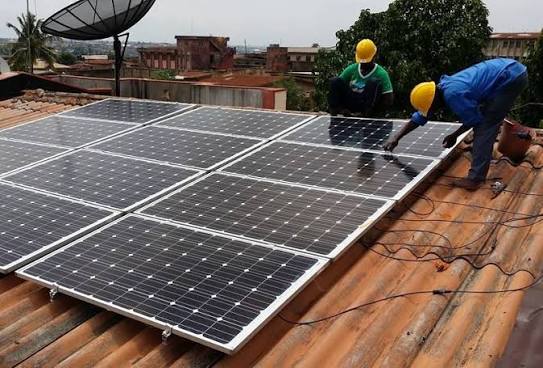
The solar panels are the flat plates usually placed on the roof or outside where there is sunlight. They collect sunlight and turn it into power.
The charge controller controls how power goes from the panels to the batteries. It protects the batteries from overcharging.
The batteries store the power so you can use it at night or when there is no sun.
The inverter converts the stored power into normal electricity that your TV, fan, fridge, and other appliances can use.
All these parts must work together. If one part is not well maintained, it can affect the others.
Why Solar Maintenance Is Very Important In Nigeria
Nigeria has a harsh environment for solar systems. Dust, heat, rain, and even rodents can affect solar equipment. Many people install solar and forget about it. They only remember it when there is a problem.
Here are some reasons why maintenance is very important
• Dust and dirt reduce panel efficiency
• High heat can damage batteries
• Loose cables can cause power loss
• Water can spoil connections
• Poor usage habits can reduce battery life
If you maintain your solar system well, you enjoy steady power and avoid costly repairs or replacements.
Cleaning Your Solar Panels Regularly
One of the most important solar maintenance tips is cleaning the solar panels. This is very simple but many people ignore it.
Solar panels work best when they are clean. In Nigeria, dust is a big problem. Harmattan dust, sand, bird droppings, and even leaves can settle on the panels. When this happens, sunlight cannot enter properly.
When panels are dirty, they still work, but they produce less power. This means your batteries will not charge fully.
How Often Should You Clean Solar Panels
In most parts of Nigeria, cleaning once every two weeks is good. If you live in a very dusty area or close to a busy road, you may need to clean weekly.
During rainy season, rain may wash some dirt away, but do not rely on rain alone. Rain does not remove all dirt.
How To Clean Solar Panels Safely
• Clean early in the morning or late evening when the panels are cool
• Use clean water and a soft cloth or sponge
• Do not use hard brushes or sharp objects
• Do not use soap with strong chemicals
• Do not pour cold water on very hot panels
Cleaning is simple but very powerful. Clean panels can improve your power output a lot.
Checking And Maintaining Solar Batteries
Batteries are one of the most expensive parts of a solar system. If batteries fail, your solar becomes useless. That is why battery maintenance is very important.
There are different types of solar batteries in Nigeria
• Lead acid batteries
• Tubular batteries
• Gel batteries
• Lithium batteries
Each type has its own care method, but some general rules apply to all.
Avoid Overcharging And Deep Discharging
Overcharging happens when batteries receive more power than they can handle. Deep discharging happens when batteries are drained too low.
Both situations reduce battery life.
Always make sure your charge controller settings are correct. If you do not understand settings, ask your installer or technician to help.
Do not allow your batteries to go completely flat all the time. It is better to use power wisely and avoid draining batteries to zero.
Keep Batteries In A Cool And Dry Place
Heat is one of the biggest enemies of batteries. Many people keep batteries in hot rooms or places without ventilation.
Batteries should be kept in a cool, dry, and well ventilated area. Avoid direct sunlight on batteries. Avoid places close to heat sources.
If batteries get too hot, their lifespan reduces quickly.
Check Battery Terminals And Water Levels
If you use lead acid or tubular batteries, you need to check water levels regularly.
• Check battery water once every month
• Use only distilled water
• Do not overfill
• Clean battery terminals if you see corrosion
Corroded terminals reduce power flow and can cause problems.
Lithium batteries need less maintenance, but you should still keep them cool and follow the manufacturer’s instructions.
Proper Use Of Solar Power Appliances
How you use your solar system matters a lot. Many solar problems are caused by misuse.
• Do Not Overload Your Solar System
Every solar system has a limit. If your system is designed for light appliances, do not connect heavy loads.
Common appliances that consume a lot of power include
• Electric iron
• Electric kettle
• Microwave
• Air conditioner
• Water heater
If your system is not designed for these, using them can damage your inverter and batteries.
Know what your system can carry. Ask your installer if you are not sure.
• Use Energy Saving Appliances
Energy saving bulbs, fans, and TVs help your solar system last longer. Old appliances consume more power.
LED bulbs are better than old bulbs. Energy efficient TVs are better than older plasma TVs.
The less power you waste, the less stress on your batteries.
• Switch Off Appliances When Not In Use
Many people leave appliances on even when they are not using them. This drains batteries slowly.
Make it a habit to switch off lights, fans, and TVs when not needed.
Small habits make a big difference.
Maintaining The Inverter Properly
The inverter is the brain of the solar system. If it fails, everything stops.
• Keep The Inverter Clean
Dust can enter the inverter and cause overheating. Clean around the inverter regularly.
• Do not block ventilation holes
• Keep the area clean
• Do not place items on top of the inverter
• Allow Proper Ventilation
Inverters produce heat. They need airflow to cool down.
Do not keep inverters in closed cupboards or tight spaces. Ensure there is space around it for air to move.
• Check Error Messages And Alerts
Modern inverters display warning messages. Do not ignore them.
If you see strange alarms or error messages, check the manual or call a technician.
Ignoring small errors can lead to bigger damage.
• Checking Cables And Connections
Cables may look simple, but they are very important.
Loose or damaged cables can cause power loss, sparks, or even fire.
Inspect Cables Regularly
• Check for loose connections
• Look for burnt or melted cables
• Watch out for rats or rodents chewing wires
If you notice any damage, fix it immediately.
• Do Not Allow Water To Enter Connections
Water and electricity do not mix well. During rainy season, ensure connections are protected from water.
Water can cause rust, short circuits, and system failure.
Protecting Solar System From Theft And Damage
In Nigeria, theft is a reality. Solar panels are valuable and can be stolen if not well protected.
• Secure Solar Panels Properly
• Use strong mounting structures
• Use bolts and locks where possible
• Install panels at safe heights
Avoid placing panels where they can be easily accessed.
• Protect Against Lightning And Power Surges
Lightning can damage solar systems. Using surge protectors and proper earthing helps reduce risk.
Ensure your system has good grounding. This protects equipment and users.
• Hiring Professional Maintenance When Needed
While many maintenance tasks are simple, some require professionals.
Schedule Periodic Checks
It is good to have a technician check your system once or twice a year.
They can detect problems early and fix them before they get worse.
Do Not Try To Fix What You Do Not Understand
If you are not sure, do not experiment. Wrong connections can damage expensive equipment.
Call a trained technician when needed.
Conclusion
Solar power is one of the best investments you can make in Nigeria today. But buying solar is only the first step. How you maintain it determines how long it will serve you. Simple habits like cleaning panels, using power wisely, checking batteries, and protecting equipment can save you a lot of stress and money. You do not need to be an expert. Just be careful and consistent. If you treat your solar system well, it will reward you with steady power for many years.